
Our Top Reasons To Visit Voyageurs In Every Season


People who live and work around Lake Kabetogama know that Voyageurs never feels the same twice. The angle of the sun, the water temperature, and the pace of the lake all change with the calendar. That is why so many guests return in different months and discover a completely new experience each time.
This guide breaks down what each season actually feels like on the water and along the shoreline, based on what visitors ask us most when planning a trip.
Spring Means Open Water And Quiet Shorelines
Spring is the calmest stretch of the year. Ice pulls back from the bays, loons return to their nesting areas, and boat traffic stays light well into June. If you want space on the water and long days that feel unhurried, spring delivers.
Fishing drives most spring visits. Walleye, northern pike, and smallmouth bass move shallow as the water warms, especially near rocky points and protected bays on Lake Kabetogama. Many anglers stay close to camp and do very well without running far. Others head deeper into the island chains and fish stretches that feel completely removed.
Hiking opens earlier than many expect. Trails near Woodenfrog, Sullivan Bay, and Echo Bay dry out quickly, and spring light makes the exposed rock ridges stand out. Wildlife is easier to spot before the leaves have fully emerged. Photographers appreciate the low sun angles and the way reflections stretch across calm water.
With May 1st as the most likely date for the ice to melt off the lake, the water remains cool for swimming until mid-June. We recommend packing layers of clothing in all seasons and bring a stocking cap and gloves in the spring through May (just in case).
Summer Brings Long Days And Easy Lake Travel
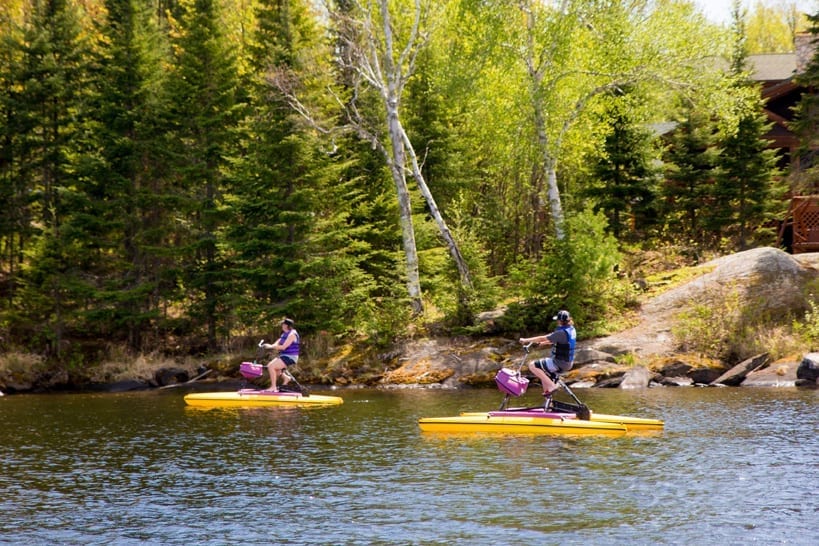
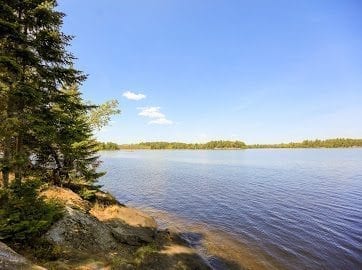
Summer is when Voyageurs feels most approachable for first time visitors. Water levels are stable, days are long, and nearly every activity is accessible with a simple boat ride.
Families often spend mornings exploring islands with picnic tables and short trails, then return to the dock for swimming or a slow afternoon on the lake. Early mornings are especially smooth for paddling, when kayaks and canoes slip easily through glassy bays.
Wildlife remains part of everyday travel. Bald eagles nest along the shoreline, otters surface in shallow water, and black bears occasionally appear near the waterline. The air temperature typically swings 10-15 degrees each day with warmer days and cooler, crisp evenings.
Evenings are warm enough to sit outside and listen for loons echoing across the bay & hunt for constellations or aurora in the night skies. Summer here feels steady and relaxed rather than rushed.
Fall Offers Color, Space, And Crisp Air
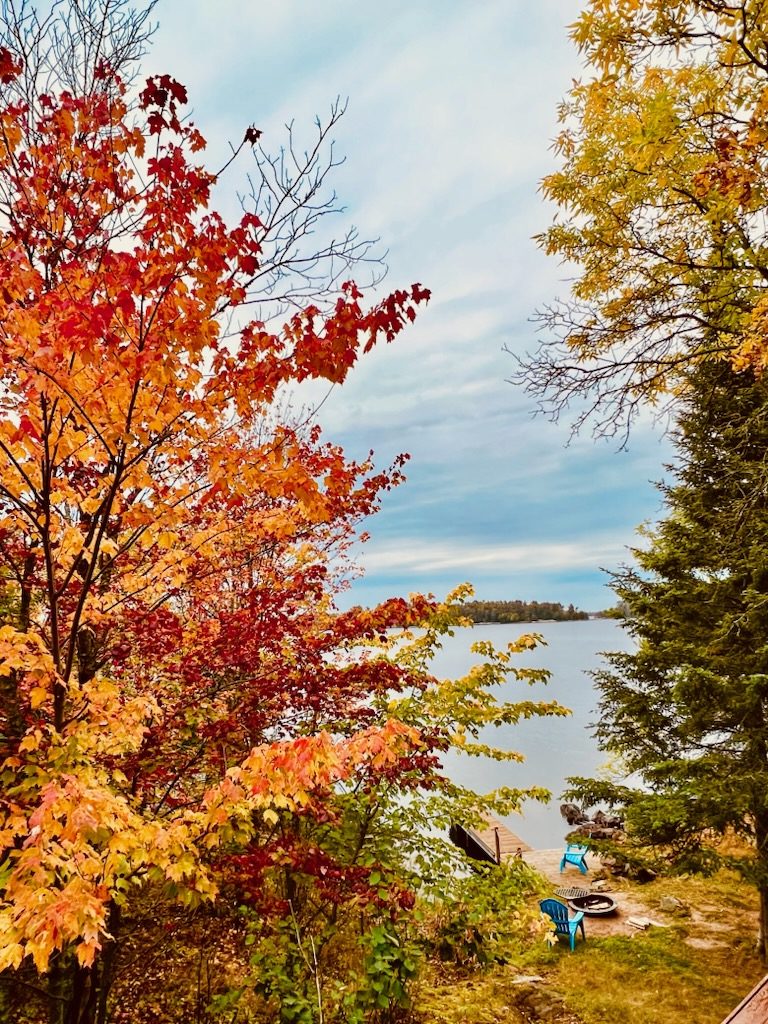
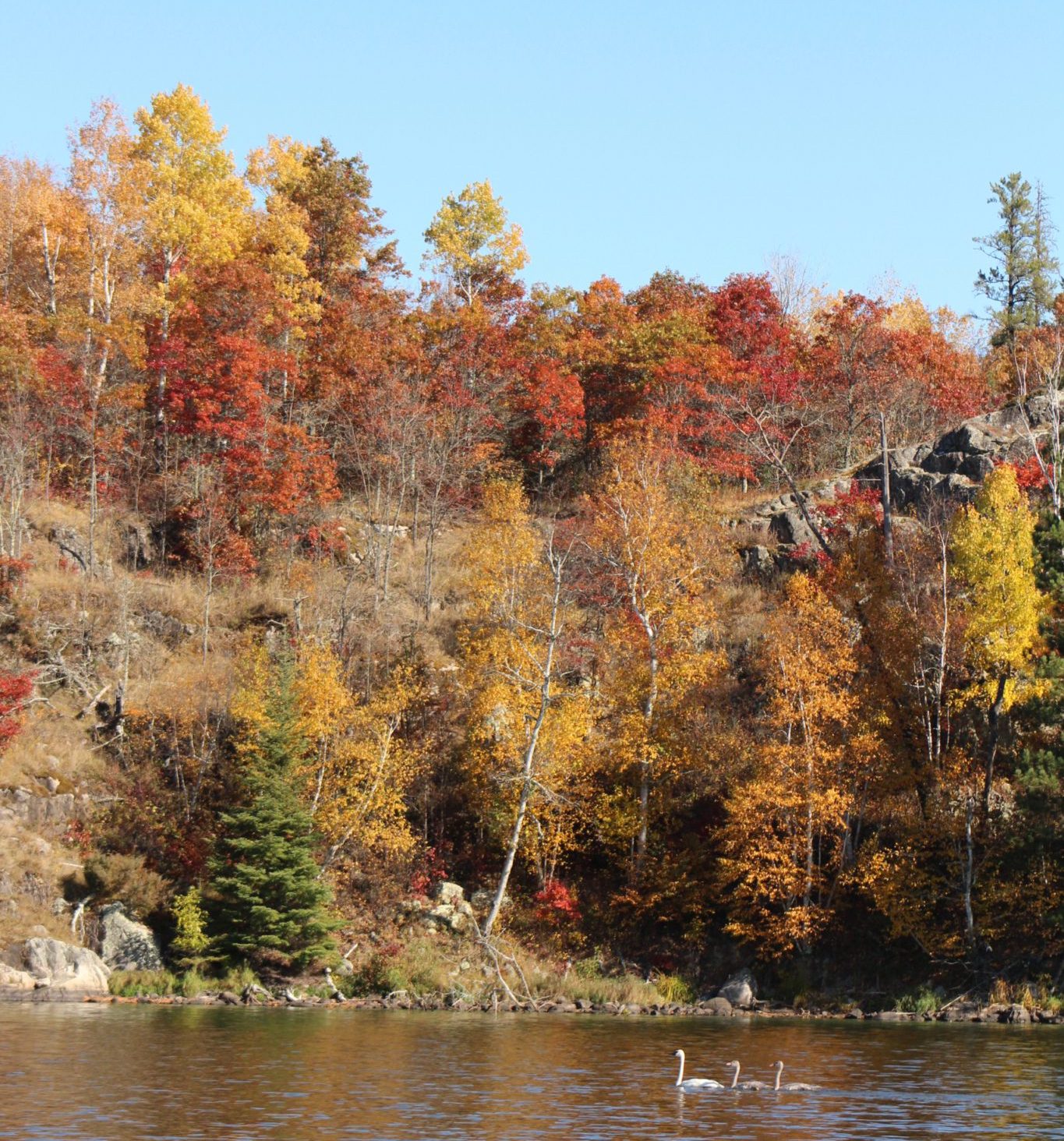
Fall is the season many locals wait for. Boat traffic drops off, the air sharpens, and the forest begins a slow color change that lasts several weeks.
Fishing improves again as water temperatures fall. Anglers often prefer September for consistent bites and peaceful mornings. Hiking is comfortable all day, with dry trails and cooler temperatures. The area near the Ash River Visitor Center becomes a favorite stop for leaf color, especially when maples turn red in late September.
As the daylight shortens, in the fall stargazing begins as early as 7pm in Voyageur’s dark, speckled sky.
Couples often choose fall for a quiet getaway. Cooler nights, fewer boats, and wide open views make it easy to slow down and enjoy the lake without a packed schedule.
Winter Shows A Different Side Of Voyageurs
Once Lake Kabetogama freezes, the park transforms into a landscape built for quiet travel and classic northern winter activities. Snow settles into the pines, sound carries farther, and movement across the lake feels almost meditative.
Winter visitors commonly plan their days around a mix of trail travel and lake access, including:
- Cross country skiing and snowshoeing near Echo Bay and the Ash River Visitor Center, where groomed and packed routes work well for beginners
- Ice skating on sheltered sections of the lake when conditions are smooth and clear
- Ice fishing and spear fishing with local outfitters, followed by warm evenings back at the resort
- Driving the Ash River or Rainy Lake ice road when it opens, which allows access to areas only reachable by boat in summer
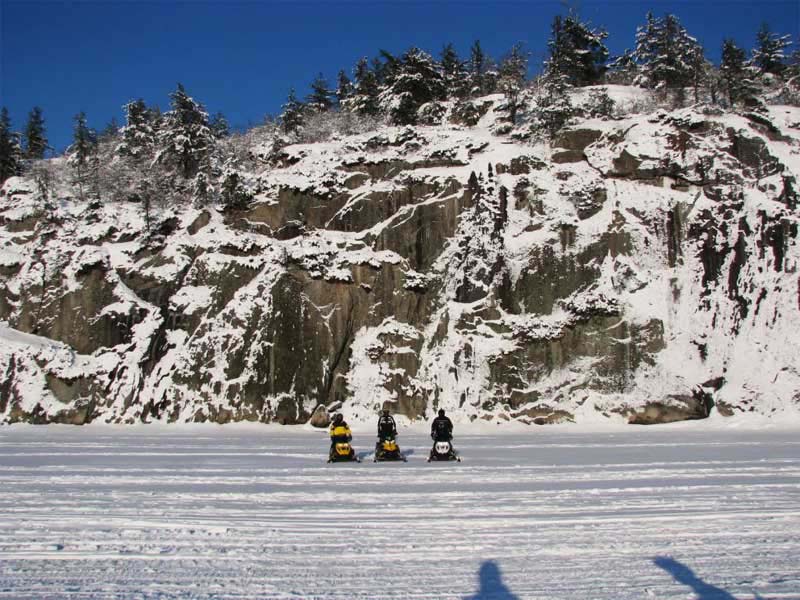
- Snowmobiling directly onto the Voyageurs & surrounding trail systems without trailering
Winter trips tend to feel slower and more intentional. Many guests come once and then make it an annual tradition.
Commonly Asked Questions About Visiting Voyageurs
When Is The Best Time To Visit Voyageurs For Wildlife Viewing?
Spring and early summer offer the most reliable sightings. Loons nest close to shore, eagle activity is easy to spot, and young animals often stay near protected bays.
When Do Lakes In Voyageurs Usually Freeze?
Most years, Lake Kabetogama reaches safe ice thickness in late December. Trail systems and ice roads open only after official checks confirm conditions.
Can Beginners Enjoy Winter Activities Here?
Yes. Cross country skiing, snowshoeing, and ice road travel are accessible for beginners. Ice Fishing and Snowmobile rentals and guides are available nearby for those new to riding.
Is Fall A Good Time For A Quiet Couples Getaway?
Yes. September and early October bring comfortable daytime temperatures, fewer boats, and some of the most dramatic sunsets of the year.
Why People Keep Coming Back
Every season in Voyageurs brings a different rhythm. Spring feels open and quiet. Summer is built around long lake days. Fall slows everything down with color and cool air. Winter turns the lake into a frozen trail system that feels completely removed from daily life.
If you are looking for a northern Minnesota destination that rewards repeat visits, Voyageurs is one of the few places where each return trip truly feels new.