
A Local’s Guide To Northern Minnesota Fishing Lodges
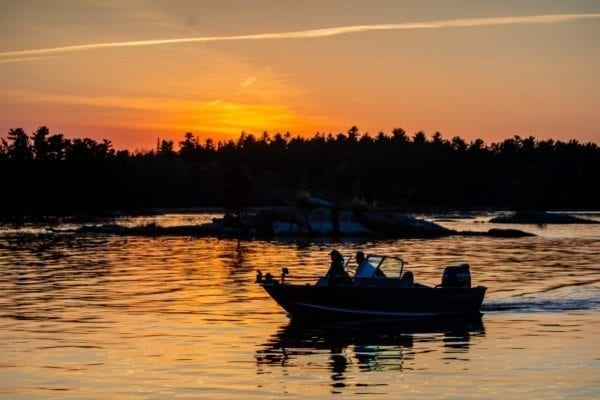
If you ask a local where to plan a fishing trip that feels unhurried and genuine, northern Minnesota fishing lodges usually come up first. These lodges sit on working lakes, not resort strips, and they are built around long days on the water followed by quiet evenings watching the light fade off the dock. This guide covers what travelers actually want to know before booking, based on how fishing really works here throughout the year.
What Sets Northern Minnesota Fishing Lodges Apart
Northern Minnesota fishing lodges are shaped by water, weather, and long habits passed down over generations. Many are family run and have stayed on the same shoreline for decades. Guests are not dropped into a polished resort environment, they are welcomed into a place that runs on sunrise, wind direction, and water temperature.
Most lodges are near Voyageurs National Park, Lake Kabetogama, Rainy Lake, or tucked along smaller inland lakes where loons are louder than boat motors. Properties like Northern Lights Resort Outfitters have built their reputation by keeping things simple, clean, and focused on time outdoors rather than adding distractions.
Easy access with well maintained roads combined with no hassle of border crossing into Canada means more time fishing!
Cell service can vary across the region, and most guests quickly realize that slower communication is part of what makes the experience feel like a true break.
Lakes, Fish Species, And How Seasons Change The Bite
Fishing success in northern Minnesota depends on understanding the specific lake you are on. Even connected waters fish differently depending on depth, current, and shoreline structure.
Anglers come for walleye, northern pike, smallmouth bass, crappie, and perch. Lake Kabetogama is known for reliable walleye fishing and strong fall patterns. Rainy Lake offers deeper water and complex structure for anglers chasing larger fish. Smaller lakes tend to be calmer and are often a better fit for families or anglers who want a relaxed pace without long boat runs.
Spring fishing starts shortly after ice out, usually late April into early May. Walleyes push shallow and feeding windows can be short but productive. Summer brings weed growth and longer days, with early morning and evening bites standing out. Fall fishing is quieter, cooler, and often excellent for anglers willing to fish slower and deeper.
What Lodges Typically Provide Without The Sales Pitch
Northern Minnesota fishing lodges focus on what works. The goal is to make fishing days smooth and predictable, not flashy.
Most lodges include
• Dock space with electrical hookups and fish cleaning houses
• Boat rentals with advanced electronics and well maintained motors
• Live bait, ice, and local advice based on current conditions
Many Fishing Lodges will even clean & fillet your fish allowing you more time with family and friends.
Cabins usually have indoor plumbing, full kitchens, outdoor grills, and enough space to dry gear and spread out after a long day on the water. At places like NLRO, the setup is designed so guests spend less time organizing and more time on the lake.
How To Choose The Right Lodge For Your Fishing Style
Choosing among northern Minnesota fishing lodges starts with knowing how you like to fish. A group looking for guided trips and instruction will want something different than a couple planning to explore on their own.
Consider lake size, typical wind exposure, distance from town, and how comfortable you are navigating unfamiliar water. Ask how far the main fishing areas are from the dock and whether the lake layout is friendly for first time visitors.
A good lodge owner will ask about your experience level, target species, and time of year rather than pushing a one size fits all option.
Common Questions About Northern Minnesota Fishing Lodges
When Is The Best Time To Book A Fishing Lodge In Northern Minnesota
Late winter through early spring is when prime summer weeks fill quickly. June, July, and early September are especially popular for walleye trips.
Do I Need To Hire A Fishing Guide
Not always. Many anglers do well with lake maps and local tips. First time visitors often benefit from one guided day to learn productive areas and seasonal patterns.
Are Northern Minnesota Fishing Lodges Good For Non Anglers
Yes. Swimming, hiking, wildlife watching, and quiet evenings by the water or around a fire are all part of the experience, especially in summer.
What Should I Pack For A Week At A Fishing Lodge
Layers for changing weather, rain gear, polarized sunglasses, and groceries. Lodges typically provide cookware, grills, and basic cleaning supplies.
Why These Places Become Traditions
Northern Minnesota fishing lodges build loyalty through consistency. The lakes remain productive, the pace stays calm, and the focus stays on time outdoors. Guests return because they trust the fishing, the advice, and the feeling of settling into a place that does not rush them. Over time, the trips turn into traditions, and the stories grow with every season.